
Want to help your child write beautifully and confidently?
Teaching cursive writing at home can be simple, enjoyable, and rewarding when you use the right approach. As a parent, you can guide your child step by step, just like a teacher in the classroom.
Start with basic cursive strokes, letter formation, and fun handwriting activities that build strong writing skills. Regular cursive practice helps improve fine motor skills, pencil control, focus, and writing confidence.
In this guide, you will learn how to teach cursive letters, use cursive worksheets, practice words and sentences, and create engaging activities that make learning exciting. With patience, encouragement, and daily practice, you can help your child master cursive handwriting with ease.
Table of Contents
Why Learning Cursive Writing Is Important for Children
Cursive writing is more than just a way to make letters look beautiful. It helps children build important skills that support their overall learning and development. When your child practices cursive handwriting, they strengthen their hand muscles, improve pencil control, and develop better coordination between their eyes and hands.
Cursive writing also helps children improve focus and concentration because they need to follow letter shapes, strokes, and connections carefully. The repeated movement of writing letters helps strengthen memory and makes it easier for children to remember letter patterns.
Learning cursive can also boost writing confidence. As children learn to write words and sentences smoothly, they feel proud of their progress and become more comfortable expressing their thoughts on paper. By teaching cursive at home, you give your child a valuable skill that supports creativity, communication, and lifelong learning.
Prepare the Right Learning Environment at Home

Before your child starts practicing cursive writing, create a space where they feel comfortable, focused, and excited to learn. A good learning environment helps children stay relaxed and build better handwriting habits.
Choose a quiet area with a comfortable desk and chair where your child can sit with proper posture. Make sure their feet are supported, their back is straight, and the table height allows them to move their hand freely while writing.
Keep all necessary handwriting tools nearby, including pencils, erasers, lined paper, and cursive worksheets. Using the right materials helps your child practice letter formation and pencil control more easily.
Try to make handwriting time positive and stress-free. Avoid distractions, offer encouragement, and celebrate small improvements. When children enjoy their practice space, they become more confident and motivated to improve their cursive handwriting skills.
Teach Proper Pencil Grip and Hand Control
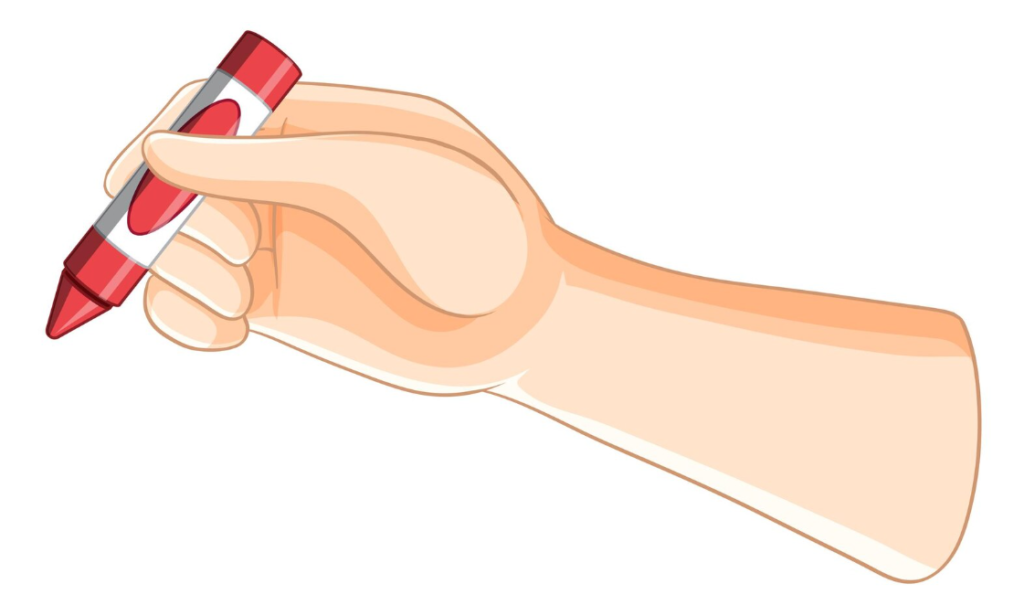
Before your child writes beautiful cursive letters, help them develop proper pencil grip and hand control. The way children hold a pencil affects their comfort, writing speed, and ability to form letters correctly.
Teach your child the tripod pencil grip, where the thumb, index finger, and middle finger gently hold the pencil. This grip gives better control and allows the hand to move smoothly while writing cursive letters.
If your child struggles with pencil control, add simple fine motor activities to their routine. Activities like coloring, drawing shapes, playing with clay, using scissors, and building blocks can strengthen hand muscles and improve coordination.
Also, choose writing tools that fit your child’s hand size. Comfortable pencils and proper writing materials can reduce hand fatigue and make practice sessions more enjoyable.
Remember, good handwriting starts with good habits. By building strong pencil control early, you help your child write cursive letters with more confidence and ease.
Start With Basic Cursive Strokes Before Teaching Letters
Before your child starts writing complete cursive letters, help them understand the basic strokes that create each letter. Just like learning to draw shapes before creating pictures, practicing simple movements makes cursive writing easier and more natural.
Begin with basic cursive strokes such as curves, loops, upstrokes, downstrokes, and connecting lines. These movements help children develop pencil control and learn how to move their hands smoothly across the page.
Make practice fun by using activities like finger tracing, air writing, drawing patterns, or writing in a sensory tray with sand or rice. Encourage your child to repeat each movement until it feels comfortable.
Remember, the goal is not perfect handwriting at the beginning. Focus on helping your child build confidence, control, and a strong foundation before moving on to cursive letters.
Teach Cursive Letters in the Right Order
When teaching cursive writing, you do not always need to follow the alphabet from A to Z. A better approach is to introduce letters based on their similar strokes and movements. This helps your child understand patterns, build confidence, and learn the cursive alphabet more easily. Start with simple, rounded letters that use basic curves:
Group 1: Rounded Cursive Letters
Next, introduce letters that use tall loops and upward movements:
Group 2: Tall Loops and Upstrokes
After your child feels comfortable, move to letters that focus on smooth connections:
Group 3: Connecting Letters
Finally, teach letters with more unique and advanced shapes:
Group 4: More Advanced Letters
As you teach each letter, focus on the correct stroke direction slowly and clearly. Let your child trace cursive letters first, then practice writing them independently. Always focus on proper starting points, smooth movements, and consistent practice. This step-by-step method helps children develop strong cursive handwriting skills with confidence.
Move From Lowercase to Uppercase Cursive Letters
Once your child feels comfortable writing lowercase cursive letters, it is time to introduce uppercase cursive letters. Starting with lowercase letters first gives children a strong foundation because they use these letters more often when writing words and sentences.
Uppercase cursive letters can be more challenging because they often include larger loops, different starting points, and more complex movements. Introduce capital letters slowly and group them by similar shapes to make learning easier.
Begin with simpler uppercase letters, such as C, E, and G, before moving to more detailed letters like A, M, and N. Show your child how each letter starts, where the strokes connect, and how the pencil moves across the page.
Make uppercase practice meaningful by encouraging your child to write their name, initials, favorite words, or create simple cursive artwork. When children connect cursive writing with things they enjoy, they stay motivated and build confidence while improving their handwriting skills.
Use Cursive Worksheets and Tracing Activities
Cursive worksheets and tracing activities help children learn handwriting in a simple, structured way. They show the correct letter formation, improve pencil control, and help build muscle memory through repetition. Use different worksheets, such as:
- Cursive alphabet A to Z worksheets
- Cursive Joining Letter worksheets
- Cursive Words worksheets
- Cursive Sentence worksheets
- Cursive Paragraph Worsheets
Start with dotted letters and follow the arrows to teach proper stroke direction. Encourage your child to practice one skill at a time, focusing on smooth movements and correct letter formation. Regular worksheet practice helps children develop confidence and improve their cursive handwriting skills.
Practice Connecting Letters Into Words
Once your child can write individual cursive letters, the next step is learning how to connect them into words. The cursive joining letters help to make writing smoother, faster, and more natural. Start with simple letter combinations such as: th, ch, ee, ar, ou.
After your child becomes comfortable connecting letters, move to simple words like: cat, dog, mom, school, love.
During practice, remind your child to focus on smooth connections, proper spacing, and consistent letter size. Encourage them to keep the pencil moving naturally without lifting it too often. With regular practice, your child will learn how individual cursive letters flow together to create beautiful words and sentences.
Help Your Child Write Cursive Words and Sentences
After your child learns to connect letters, encourage them to practice writing complete cursive words and simple cursive sentences. Meaningful writing activities make cursive practice more enjoyable and help children see how their skills work in everyday life.
Start with personal words that are familiar to your child, such as their name, family names, favorite toys, or favorite activities. Then move to short sentences like:
- I am happy.
- I love reading.
- My dog is fun.
Writing meaningful words helps children stay interested and motivated while improving their confidence and vocabulary. Encourage your child to focus on clear letter connections, proper spacing, and steady handwriting rather than writing perfectly. With regular practice, they will become more comfortable expressing their thoughts through cursive writing.
Make Cursive Practice Fun With Creative Activities
Cursive practice does not have to feel like a regular lesson. Adding creative activities helps children enjoy writing while improving their cursive skills. When learning feels fun, children stay more interested and motivated. Try these simple ideas at home:
- Cursive Name Art: Help your child write their name in cursive and turn it into a name banner or bedroom sign.
- Cursive Greeting Cards: Encourage them to create birthday cards, thank-you notes, or special messages for family members.
- Cursive Secret Messages: Let them write hidden notes or fun messages for siblings and parents.
- Cursive Painting Activities: Use watercolor words or try salt writing to create colorful cursive artwork.
- Outdoor Cursive Activities: Practice large cursive letters with sidewalk chalk or create big drawings using words.
These activities make cursive writing more meaningful while helping children build confidence, creativity, and better handwriting skills.
Create a Simple Daily Cursive Practice Routine
Consistent practice is the key to helping your child improve cursive handwriting. Short and regular practice sessions work better than long lessons that can feel tiring or stressful. Create a simple daily routine like this:
- 5 minutes: Warm up with basic strokes, curves, and loops.
- 10 minutes: Practice cursive letters, words, or worksheets.
- 5 minutes: Write a fun sentence, name, or creative message.
Encourage your child to practice at a comfortable pace and focus on smooth letter formation instead of speed. Celebrate small improvements, such as better pencil control or cleaner letter connections. A few minutes of daily cursive practice can help children build strong handwriting habits, improve confidence, and enjoy the learning process.
Conclusion
Teaching cursive writing at home is a wonderful way to help your child develop strong handwriting skills, confidence, and creativity. With the right approach, you can make every practice session simple, positive, and enjoyable.
Remember to start with basic strokes, teach letters step by step, use cursive worksheets, and give your child plenty of opportunities to practice words and sentences. Small daily efforts, along with patience and encouragement, can create lasting improvements.
Most importantly, focus on progress rather than perfection. Celebrate every new letter, word, and sentence your child writes. With your support and guidance, your child can build beautiful cursive handwriting skills that will benefit them throughout their learning journey.

